
Las Vegas Athletics Trademark Refusals: Geographic Descriptiveness, Acquired Distinctiveness, and the Limits of Brand Equity
- danny667501
- Mar 27
- 3 min read
By Michael Tier
The Oakland Athletics' relocation to Las Vegas has generated plenty of headlines—from stadium negotiations to Mason Miller's contract extension. But in the trademark world, the franchise is making news for a different reason entirely.
The USPTO recently refused the Athletics' applications for LAS VEGAS ATHLETICS and VEGAS ATHLETICS. The grounds are familiar to anyone who works in trademark prosecution: geographic descriptiveness under §2(e)(2), lack of acquired distinctiveness, and the inherently descriptive nature of combining a city name with a generic term for the underlying services.
What makes this worth examining isn't the refusal itself. It's who received it. One of the oldest franchises in professional sports—with over a century of brand history—doesn't get a free pass when a mark reads as "place + what it is."
Why the USPTO Refused Registration
The examining attorney's analysis was straightforward. "Las Vegas Athletics" and "Vegas Athletics" describe a geographic location and the nature of the services offered there. For apparel and sports entertainment, "Athletics" functions as a generic or highly descriptive term rather than a source identifier.
The team filed on a §2(f) acquired distinctiveness basis, essentially arguing that consumers already associate these marks with the franchise despite their descriptive character. The USPTO wasn't persuaded.
The evidentiary bar matters here. Because the examiner found the marks to be highly descriptive, the team faced a steeper burden than a marginally descriptive mark would require. A greater showing of consumer recognition is needed when descriptiveness is strong—and the Athletics couldn't clear that threshold for marks tied to a city where they haven't yet played a single game.
The team also pointed to its existing registrations for ATHLETICS in other contexts. The examining attorney rejected that argument too. Prior registrations weren't legal equivalents of the current applications—they involved different stylization, different city names, and materially broader goods and services. Each application stands on its own merits, and the history of one mark doesn't automatically carry over to another.
The Relocation Branding Problem
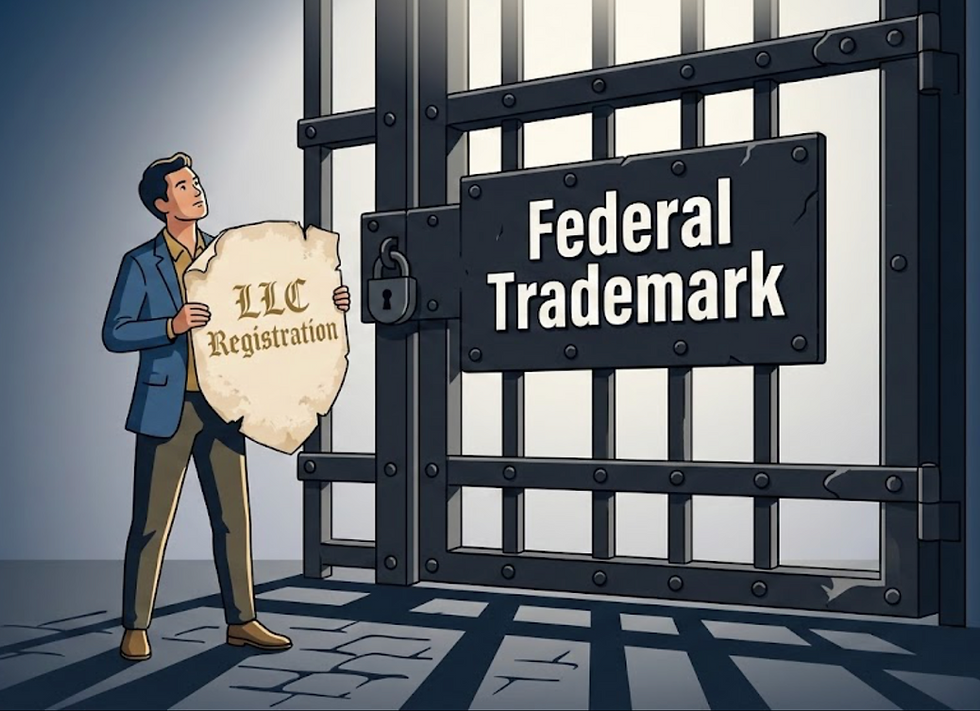
This situation illustrates a timing gap that affects any business rebranding around a new geography. Consumer perception and registrability don't move at the same speed.
The Athletics have decades of goodwill built in Oakland. But trademark rights are evaluated based on how consumers perceive the specific mark applied for, in the specific market it references. Goodwill built under one geographic identity doesn't automatically transfer when the geography changes.
For the franchise, secondary meaning in "Las Vegas Athletics" will likely develop once the team is actually playing in Las Vegas, fans are buying merchandise with that branding, and broadcast coverage consistently associates the name with the new location. That process takes time, and the USPTO's analysis reflects the current reality rather than future expectations.
What Brand Owners Should Take Away
The underlying principles here extend well beyond professional sports.
Use in commerce matters—especially where and how long. The strength of a descriptive mark depends on consumers actually encountering it in the marketplace. Filing before meaningful commercial use in a new market creates exactly the evidentiary gap the Athletics are facing.
Geographic shifts create registrability challenges. Businesses that relocate, expand to new regions, or rebrand around a new city name should anticipate that prior brand equity may not translate directly into trademark registrability. The USPTO evaluates each mark on its own terms.
Prior registrations aren't a guarantee. Owning registrations for related marks can support an application, but only when those marks are genuinely comparable. Differences in stylization, geographic terms, or covered goods and services can undermine the argument entirely.
Don't overestimate how much goodwill travels with you. Clients frequently assume that a strong brand in one context guarantees protection in another. This refusal is a reminder that the analysis is more granular than that.
These Applications Aren't Dead
The refusals were non-final, which means the Athletics have room to respond. They can submit additional evidence of acquired distinctiveness, narrow the goods and services to reduce the descriptiveness problem, or make arguments distinguishing the examiner's reasoning. As the team gets closer to actual operations in Las Vegas, the evidentiary picture will likely improve.
But the current posture is a sharp reminder: even iconic brands face a steep climb when secondary meaning is asked to bridge a new geographic identity before meaningful use in that market has begun.
*Special thanks to Danny Lochridge of Gonzaga University School of Law for assistance with this article.


Comments